
A Gurudwara is a sacred place of worship for Sikhs and one of the most welcoming religious places in India. Whether you are a devotee, a tourist, or someone interested in learning about Sikh culture, visiting a Gurudwara offers a unique experience of spirituality, equality, and selfless service.
From the magnificent Golden Temple in Amritsar to the historic Gurudwara Bangla Sahib in Delhi and the revered Takht Sri Patna Sahib in Bihar, Gurudwaras attract millions of visitors every year. Most Gurudwaras welcome people of all religions, castes, and nationalities without any discrimination.
This guide explains everything you need to know about Gurudwaras in India, including their history, significance, traditions, visitor guidelines, facilities, and some of the most famous Gurudwaras across the country.
Quick Information
| Information | Details |
| Religion | Sikhism |
| Meaning of Gurudwara | Gateway to the Guru |
| Holy Scripture | Guru Granth Sahib |
| Entry Fee | Free |
| Langar | Free Community Meal |
| Open To | Everyone Regardless of Religion |
| Dress Code | Modest Clothing with Covered Head |
| Photography | Allowed in many outdoor areas but may be restricted inside prayer halls |
| Footwear | Must Be Removed Before Entry |
What Is a Gurudwara?
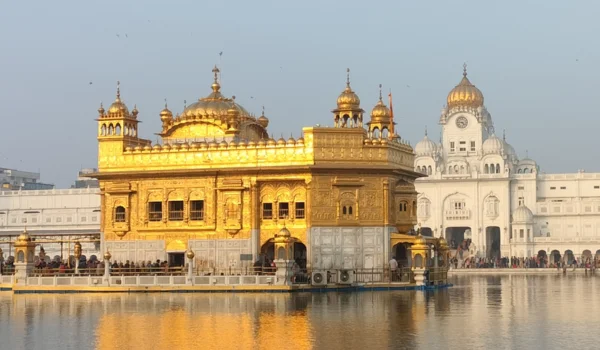
The word Gurudwara literally means “Gateway to the Guru.” It is a place where Sikhs gather for prayer, meditation, devotional singing (Kirtan), and community service.
Unlike many religious places, a Gurudwara welcomes every visitor equally. There are no restrictions based on religion, nationality, caste, gender, or social status.
The central focus of every Gurudwara is the Guru Granth Sahib, the holy scripture of Sikhism, which is treated as the eternal Guru.
History of Gurudwaras in India
The tradition of Gurudwaras began during the time of the Sikh Gurus. Early Sikh congregations gathered wherever the Gurus visited, taught, or stayed. Over time, these locations became important places of worship.
Many historic Gurudwaras commemorate significant events in Sikh history, such as:
- Birthplaces of Sikh Gurus
- Places where Sikh Gurus preached
- Sites associated with important historical events
- Locations connected with Sikh martyrs
- Places where miracles or notable incidents are believed to have occurred
Today, India is home to thousands of Gurudwaras ranging from small neighborhood prayer halls to world-famous pilgrimage destinations.
Importance of Gurudwaras
A Gurudwara serves much more than a religious purpose.
It is a place for:
- Worship
- Spiritual learning
- Community gatherings
- Charity
- Social equality
- Voluntary service (Seva)
- Free meals for everyone
The principles of equality and service are reflected in every aspect of a Gurudwara.
Main Parts of a Gurudwara
Although every Gurudwara may differ in size and architecture, most include the following areas:
Darbar Sahib
The main prayer hall where the Guru Granth Sahib is respectfully placed.
Langar Hall
A community dining area where free meals are served to everyone.
Kitchen
Large kitchens prepare food daily with the help of volunteers.
Nishan Sahib
A tall saffron-colored Sikh flag placed outside the Gurudwara, symbolizing the presence of a Sikh place of worship.
Sarai
Many major Gurudwaras provide accommodation for pilgrims and visitors.
Shoe Deposit Area
Visitors leave their footwear here before entering.
Guru Granth Sahib
The Guru Granth Sahib is the central religious scripture of Sikhism.
It contains the teachings of Sikh Gurus as well as saints from different backgrounds who emphasized devotion, equality, and universal values.
Inside every Gurudwara, the Guru Granth Sahib is placed on a raised platform with great respect.
What Is Langar?
Langar is one of the most distinctive traditions of Sikhism.
It is a free community meal served to everyone regardless of:
- Religion
- Caste
- Gender
- Nationality
- Economic status
Visitors sit together on the floor while eating, symbolizing equality among all people.
Thousands of volunteers help prepare, cook, serve, and clean every day.
What Is Seva?
Seva means selfless service.
Visitors often participate by:
- Serving food
- Cleaning utensils
- Sweeping floors
- Preparing vegetables
- Helping visitors
- Organizing community activities
Anyone can volunteer.
Gurudwara Etiquette
Visitors should follow basic guidelines while entering a Gurudwara.
Cover Your Head
Men, women, and children should cover their heads using a scarf, handkerchief, or turban.
Remove Shoes
Footwear must be removed before entering.
Wash Hands and Feet
Many Gurudwaras provide washing areas near the entrance.
Dress Modestly
Avoid revealing or inappropriate clothing.
Maintain Silence
Speak softly and respect the peaceful environment.
Do Not Smoke or Consume Alcohol
Smoking, tobacco products, alcohol, and intoxicants are strictly prohibited.
Respect Religious Practices
Follow local instructions and avoid disturbing worshippers.
Photography Rules
Photography policies vary from one Gurudwara to another.
Generally:
- Outdoor photography is often allowed.
- Photography inside the main prayer hall may be restricted.
- Flash photography may not be permitted.
- Always follow instructions displayed on the premises.
Facilities Available at Major Gurudwaras
Many well-known Gurudwaras offer facilities such as:
| Facility | Availability |
| Free Langar | Yes |
| Drinking Water | Yes |
| Washrooms | Yes |
| Shoe Deposit | Yes |
| Wheelchair Access | Available at Many Locations |
| Cloak Room | Available at Major Gurudwaras |
| Parking | Available at Many Gurudwaras |
| Accommodation | Available at Several Historic Gurudwaras |
| Medical Assistance | Available at Some Major Sites |
Famous Gurudwaras in India
Sri Harmandir Sahib (Golden Temple), Punjab
The Golden Temple in Amritsar is the holiest shrine of Sikhism and one of the most visited religious places in the world.
Gurudwara Bangla Sahib, Delhi
Known for its beautiful sarovar and peaceful atmosphere, Bangla Sahib attracts both devotees and tourists throughout the year.
Takht Sri Patna Sahib, Bihar
This Gurudwara marks the birthplace of Guru Gobind Singh Ji, the tenth Sikh Guru.
Takht Sri Hazur Sahib, Maharashtra
Located in Nanded, it is one of the five Takhts of Sikhism.
Takht Sri Keshgarh Sahib, Punjab
Situated in Anandpur Sahib, this historic Gurudwara is closely associated with the formation of the Khalsa.
Takht Sri Damdama Sahib, Punjab
One of the five Takhts and an important center of Sikh learning.
Gurudwara Sis Ganj Sahib, Delhi
Built in memory of Guru Tegh Bahadur Ji, this Gurudwara is among Delhi’s most important Sikh pilgrimage sites.
Gurudwara Rakab Ganj Sahib, Delhi
Located near Parliament House, it commemorates the cremation site of Guru Tegh Bahadur Ji.
Gurudwara Hemkund Sahib, Uttarakhand
A famous Himalayan pilgrimage destination visited during the summer months.
Gurudwara Manikaran Sahib, Himachal Pradesh
Known for its hot springs and spiritual significance, it attracts visitors from across India.
The Five Takhts of Sikhism
The five Takhts are the highest seats of authority in Sikhism.
| Takht | State |
| Akal Takht | Punjab |
| Takht Sri Keshgarh Sahib | Punjab |
| Takht Sri Patna Sahib | Bihar |
| Takht Sri Hazur Sahib | Maharashtra |
| Takht Sri Damdama Sahib | Punjab |
Best Time to Visit Gurudwaras
Gurudwaras remain open throughout the year.
Many visitors prefer visiting during:
- Gurpurab celebrations
- Baisakhi
- Winter months for pleasant weather
- Early morning or evening for Kirtan
Mountain Gurudwaras like Hemkund Sahib are open only during the pilgrimage season.
How to Reach Major Gurudwaras
Most famous Gurudwaras are well connected by:
- Airports
- Railway stations
- Bus services
- Metro (in cities like Delhi)
Local taxis, auto-rickshaws, and app-based cab services are widely available.
Why Visit a Gurudwara?
People visit Gurudwaras for many reasons, including:
- Spiritual peace
- Religious devotion
- Sikh heritage
- Architecture
- Free community meals
- Historical importance
- Cultural learning
- Volunteering through Seva
Tips for First-Time Visitors
- Carry a clean scarf or head covering.
- Wear comfortable and modest clothing.
- Remove shoes before entering.
- Keep your phone on silent mode.
- Respect local customs.
- Accept Karah Prasad respectfully.
- Participate in Langar if you wish.
- Avoid littering and maintain cleanliness.
Frequently Asked Questions
Can non-Sikhs visit a Gurudwara?
Yes. Gurudwaras welcome people from all religions and backgrounds.
Is there any entry fee?
No. Entry to Gurudwaras is free.
Is Langar free?
Yes. Langar is offered free of charge to everyone.
Do I need to cover my head?
Yes. Covering the head is a standard requirement before entering the prayer area.
Can tourists visit Gurudwaras?
Yes. Domestic and international tourists regularly visit Gurudwaras.
Are children allowed?
Yes. Families with children are welcome.
Can I volunteer?
Yes. Visitors can participate in Seva by helping with cooking, serving, cleaning, or other community activities.
Are Gurudwaras open every day?
Most Gurudwaras are open daily, though prayer schedules and specific services may vary by location.
Conclusion
Gurudwaras are among the most inclusive and spiritually enriching places to visit in India. They embody the Sikh values of equality, compassion, humility, and selfless service. Whether you come to pray, experience Langar, learn about Sikh history, or simply enjoy the peaceful atmosphere, a visit to a Gurudwara offers an opportunity to connect with a tradition that welcomes everyone with respect and warmth.
As you explore Gurudwaras across India, following basic etiquette and participating respectfully in their customs will help you gain a deeper appreciation of Sikh heritage and the enduring spirit of community that these sacred places represent.